
Uterine Prolapse
Gentle, effective care for pelvic health and symptom relief.
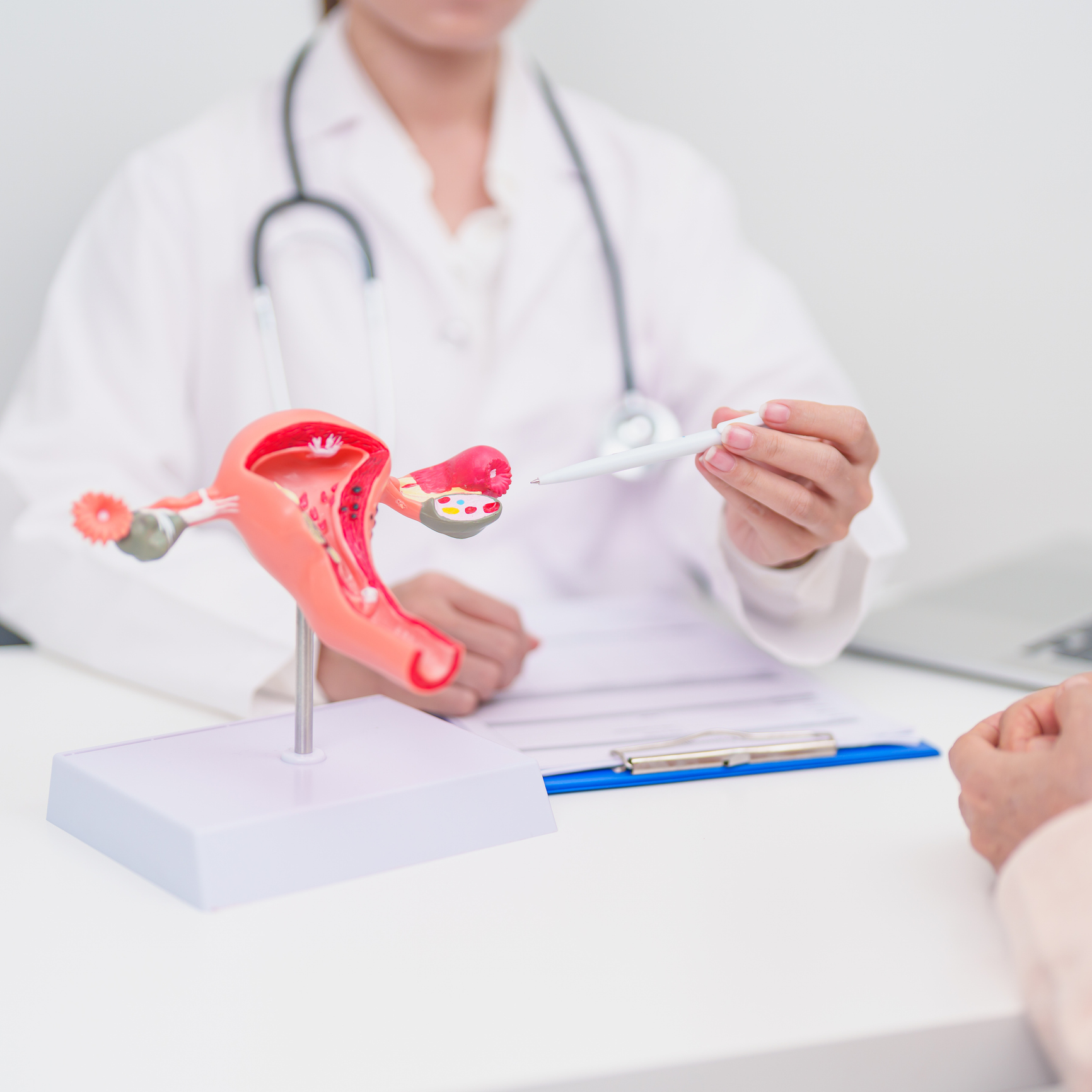
When the Uterus Drops
Uterine prolapse involves the dropping of the uterus into the vaginal canal as a result of weakened pelvic floor muscles. This condition can occur as a result of aging and multiple pregnancies and is most common in postmenopausal women. Obesity or excessive weight gain may also contribute to uterine prolapse.
Symptoms of Uterine Prolapse
Patients suffering from uterine prolapse may experience:
Sensation of heaviness in the pelvis.
Difficulty urinating.
Lower back pain.
Sexual dysfunction.
Other patients may not experience any symptoms at all. If left untreated, patients with uterine prolapse may experience ulcers or prolapse of other pelvic organs.

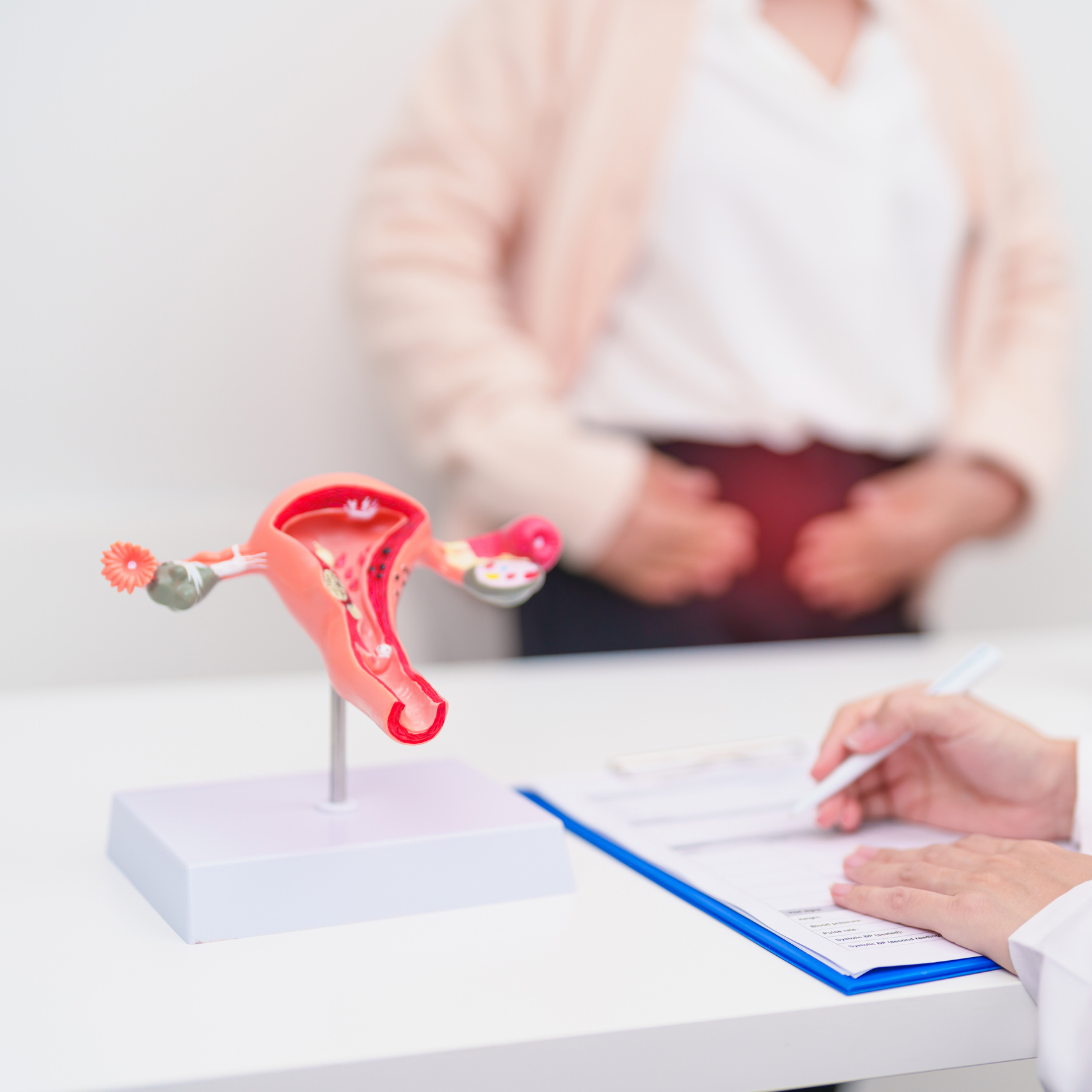
Treatment for Uterine Prolapse
Depending on the severity of the condition, treatment for uterine prolapse may not be necessary. If symptoms are bothersome, many patients may benefit from:
Losing weight.
Quitting smoking.
Kegel exercises to strengthen the pelvic floor muscles.
Additional surgical treatments for uterine prolapse may include:
A vaginal pessary is a synthetic hammock-like device that is surgically inserted to hold the uterus in place. During its placement, a band of sling material is attached to the strong tissue of the lower abdomen. The sling acts as a physical support that prevents the uterus from slipping and causing pressure on the other organs.
Complications of
Uterine Prolapse
A doctor will determine the most appropriate treatment for each individual condition. If left untreated, patients with uterine prolapse may experience difficulties with bladder function and sexual activity as well as additional organ prolapse.