
Benign Prostate Hyperplasia Treatment
Expert-led treatment approaches for improved urinary function and comfort.
What Happens After
a BPH Diagnosis
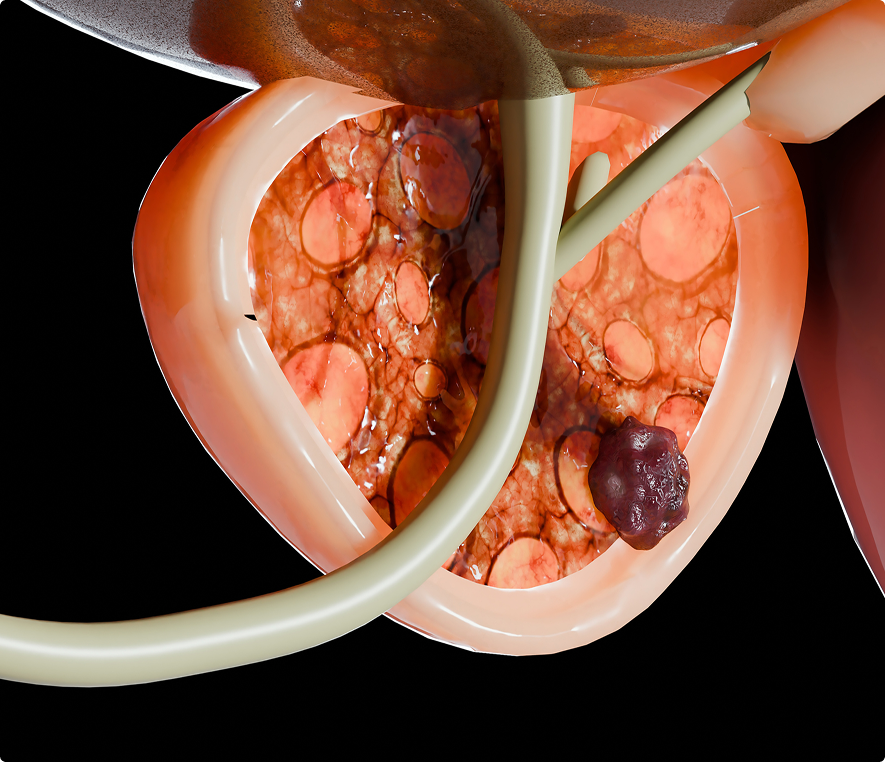
Benign Prostatic Hyperplasia, also known as BPH, is an enlarged prostate that commonly causes urinary problems in men over the age of 50. It is a common condition that occurs as men age, causing the gland to press against the urethra and cause problems with urination. After BPH is diagnosed, a treatment plan is created based on the patient‘s specific condition.
Treatment of Benign Prostatic Hyperplasia
Treatment for benign prostatic hyperplasia may vary depending on the severity of the condition. There are various treatment options available for this condition.
Patients with mild symptoms may only need to monitor their condition for signs that it is worsening, while more severe cases may require medication to inhibit hormone production or relax the muscle in the prostate.