
Overactive Bladder
Clear guidance to manage symptoms and improve quality of life.
Why Overactive
Bladder Occurs
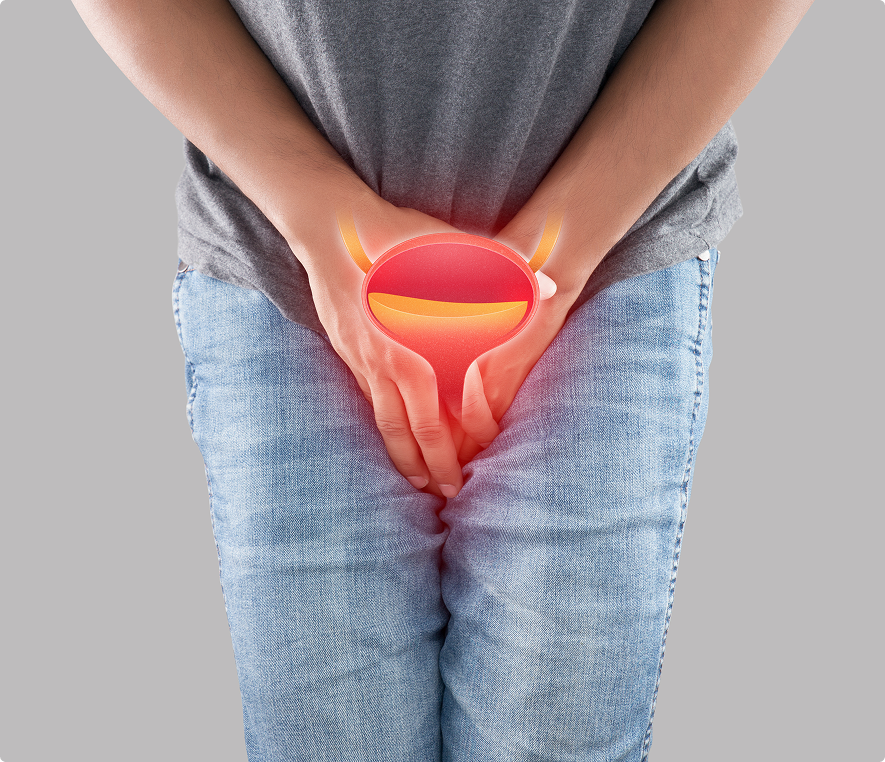
Overactive bladder, also known as OAB or urge incontinence, occurs when a person experiences a sudden and frequent urge to urinate that may also be accompanied by urine leakage. This happens because the bladder muscles contract at inappropriate times, regardless of how much urine has collected in the bladder. It can happen to anyone at any age, although it is most common in women and the elderly.
Causes of Overactive Bladder
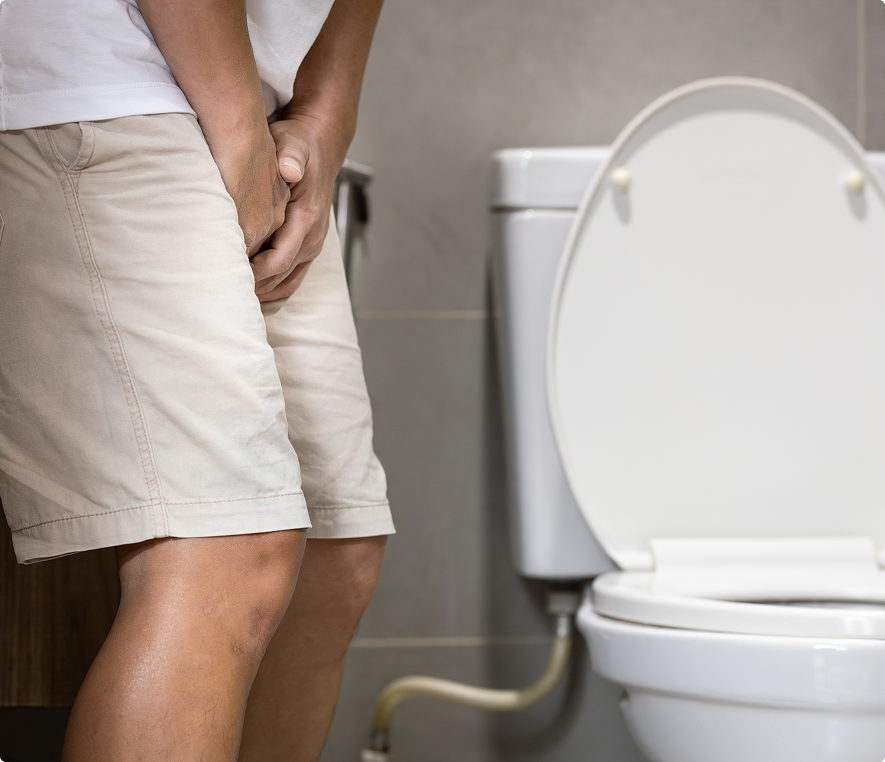
An overactive bladder may be caused by various factors. In men, OAB may result from benign prostatic hyperplasia, also known as BPH, or bladder obstruction due to an enlarged prostate. Underlying causes of OAB may include:
Drug side effects.
Nerve damage.
Neurological disease or stroke.
Possible Causes of OAB
The following bladder problems may also be the cause of an overactive bladder:
Urinary tract infection.
Cancer.
Bladder stones.
Inflammation.
Blockage.
In some cases, a cause for OAB cannot be found.
Diagnosis of
Overactive Bladder
In addition to a physical exam, tests for OAB may include:
Urinalysis.
Urinary stress test.
Ultrasound.
Cystoscopy.
A post-void residual (PVR) test may also be performed to evaluate bladder function.
Treatment of
Overactive Bladder
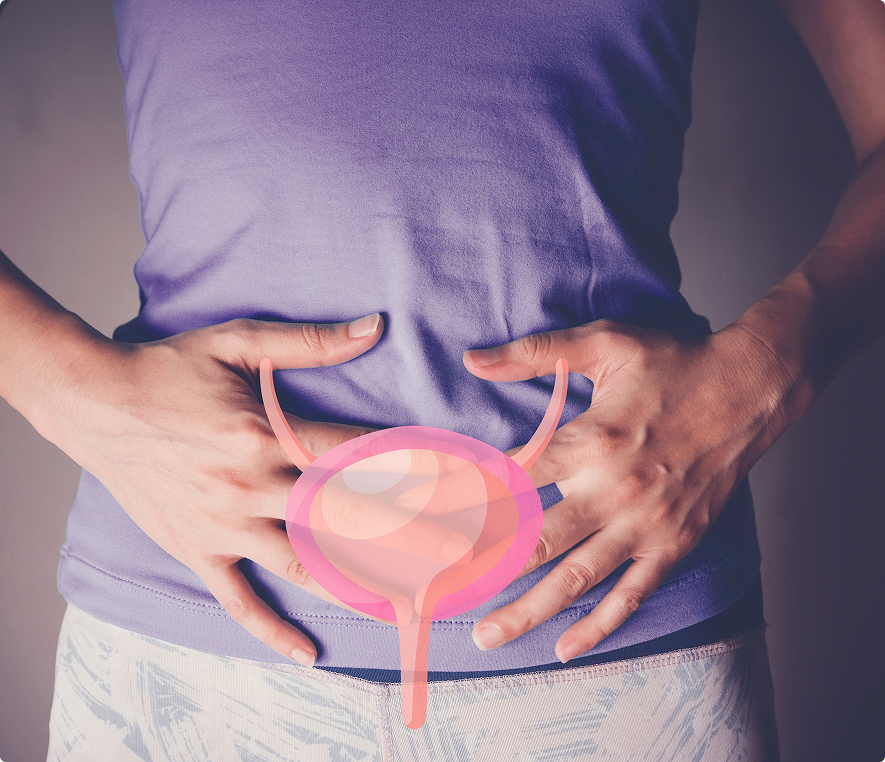
Treatment for overactive bladder depends on the severity of symptoms, the underlying cause, and the patient‘s and doctor‘s preferences. Treatment options may include medication, bladder retraining, and Kegel exercises.
Patients who are severely affected by their overactive bladder and incontinence may require surgery to increase bladder storage and decrease pressure in the bladder. Augmentation cystoplasty, where a segment of the bowel is added to the bladder to increase the bladder size and allow it to store more urine, is the surgery most often performed for this condition.