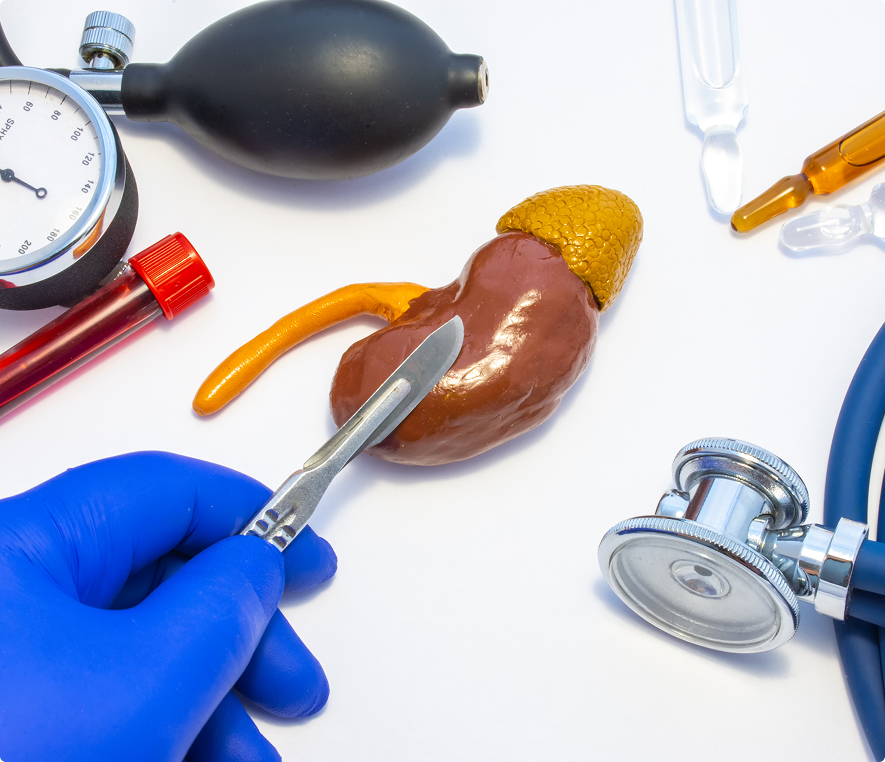
Precision-Focused Nephrectomy Surgical Care
Patient-centered kidney surgery with emphasis on recovery and safety.
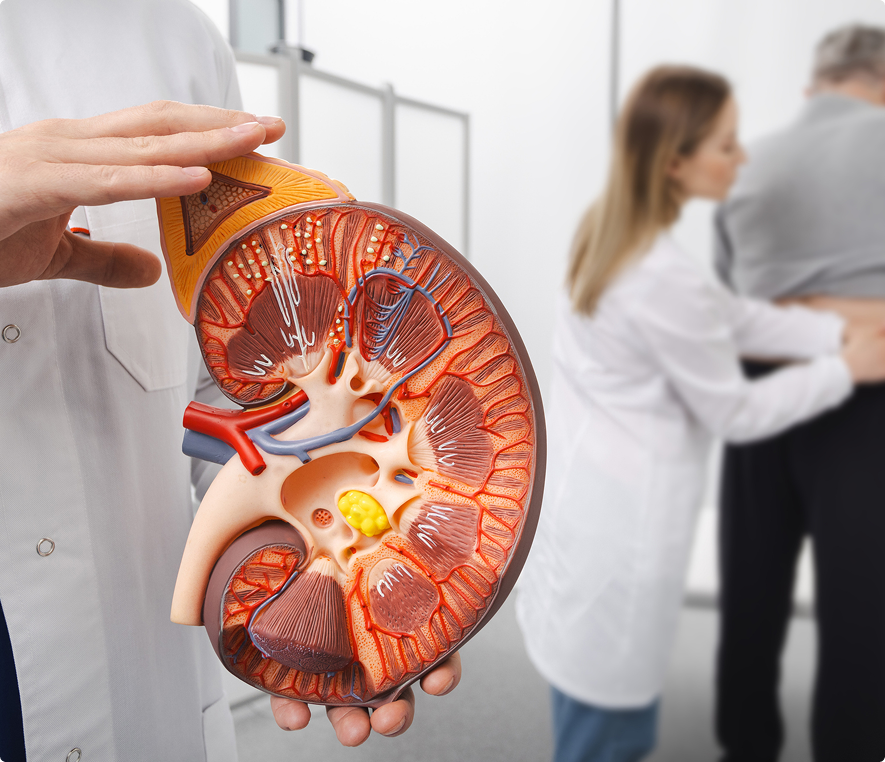
Understanding Nephrectomy
A nephrectomy is a surgical procedure to remove part or all of a kidney. Depending on the reason it is required, a nephrectomy involves removing only the damaged or diseased part of one kidney, all of one kidney, or the entire kidney, along with the surrounding adrenal gland and lymph nodes. All nephrectomies are performed under general anesthesia.
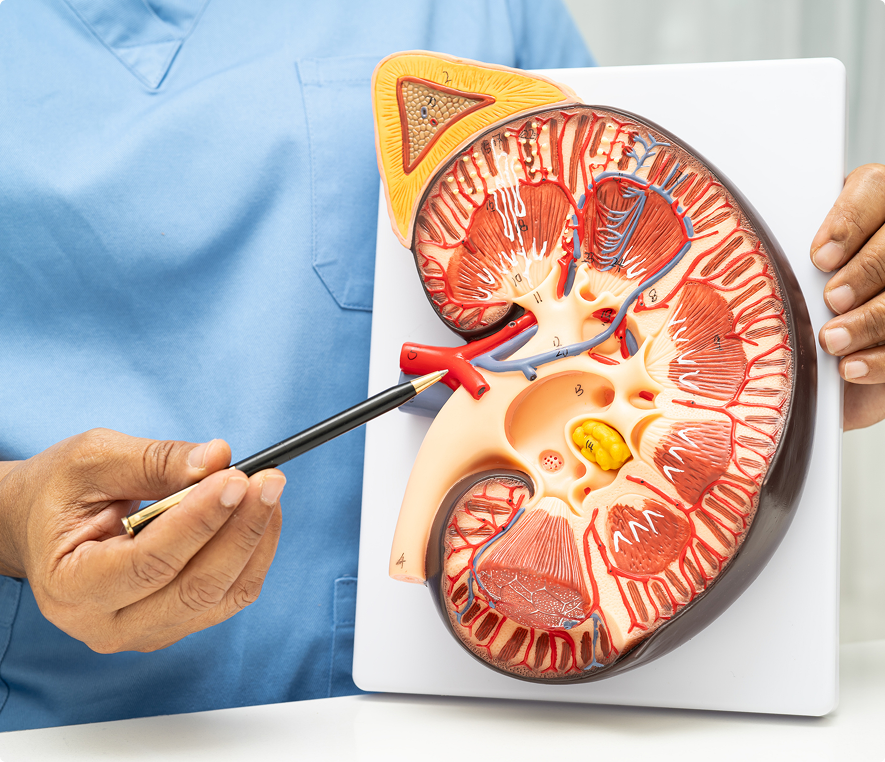
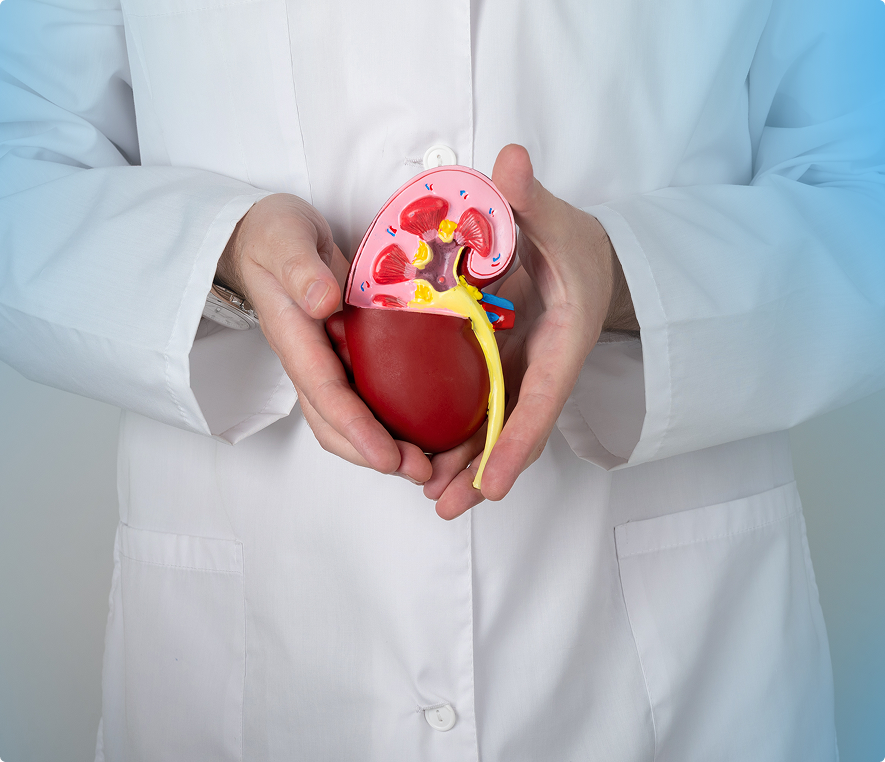
The kidneys are located at the back of the abdomen and protected by the lower ribs. Their function is to filter blood, which passes through them several times a day. The kidneys remove waste, control fluid balance, and regulate the balance of electrolytes.
Reasons for Nephrectomy
A nephrectomy may be necessary to treat the following:
Congenital defect.
Kidney damage (from kidney stones or disease).
Kidney cancer.
Traumatic injury.
Extremely high blood pressure and its effects can also make a nephrectomy necessary.
Types of Nephrectomy
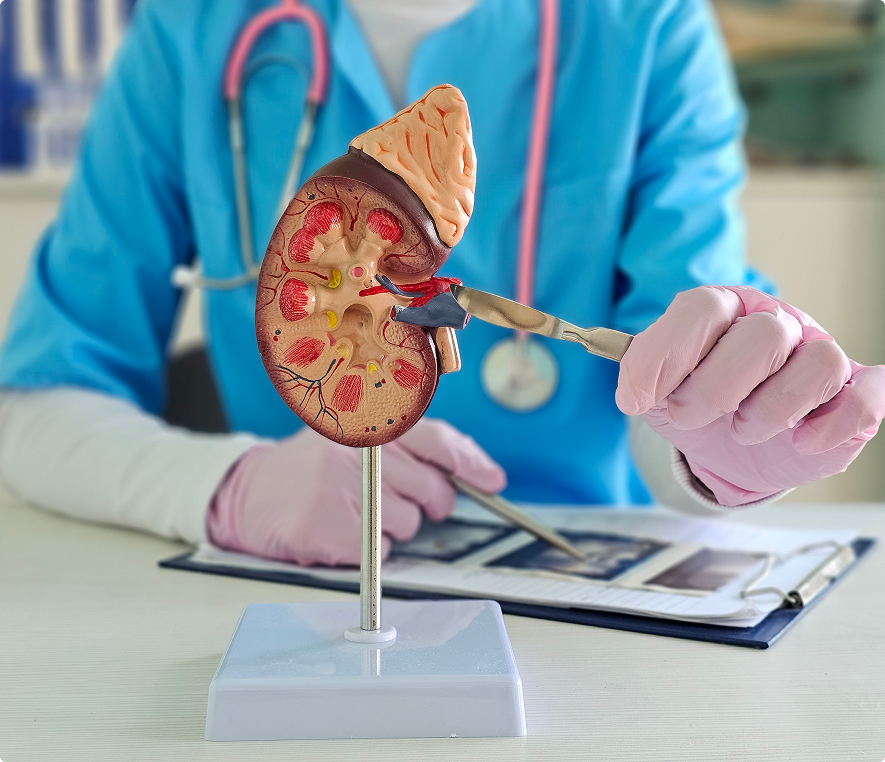
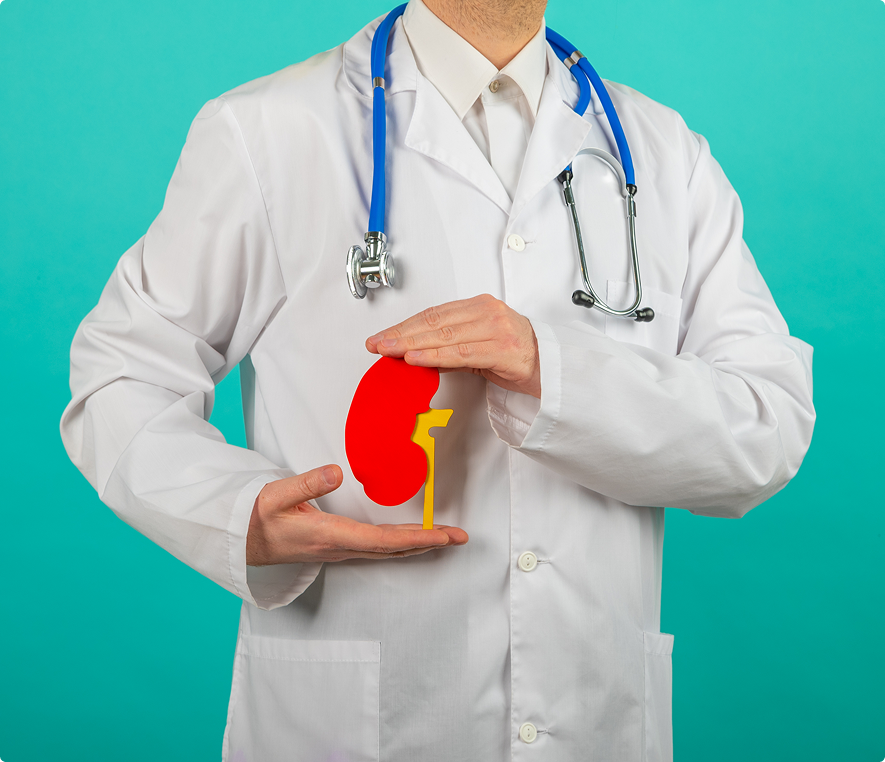
There are three types of nephrectomy.
During a partial nephrectomy, only the damaged or diseased part of the kidney is removed. It is frequently performed to treat kidney cancer.
Nephrectomy Procedure
A nephrectomy can be performed in one of two ways.
An open nephrectomy, which is the traditional procedure, involves making an incision in the patient‘s abdomen or side. It offers excellent access to the kidneys, as well as other organs, for more complicated cases.
Risks of Nephrectomy
Every surgical procedure has risks, including excessive bleeding, adverse reactions to anesthesia or medications, post-surgical infection, and damage to adjacent organs. Risks specific to nephrectomy include malfunction or failure in the remaining kidney and hernia at the surgical wound.
Recovery From Nephrectomy
Depending on the type of nephrectomy, a hospital stay of from 2 to 7 days is required. A patient who has had a laparoscopic nephrectomy usually recovers in 4 weeks, whereas one who has had an open nephrectomy may require 6 weeks. Strenuous physical activity may be restricted for a longer period. During the post-surgical hospital stay, a patient can expect the following:
Catheterization for 24 to 48 hours.
Surgical-wound drain.
Inability to eat for a few days.
Liquid diet (when capable of eating).
To perform breathing exercises.
To wear special stockings and/or take medications to prevent blood clots.