
Chronic Kidney Disease
Expert care for managing kidney health and slowing disease progression.

When Kidneys
Gradually Decline
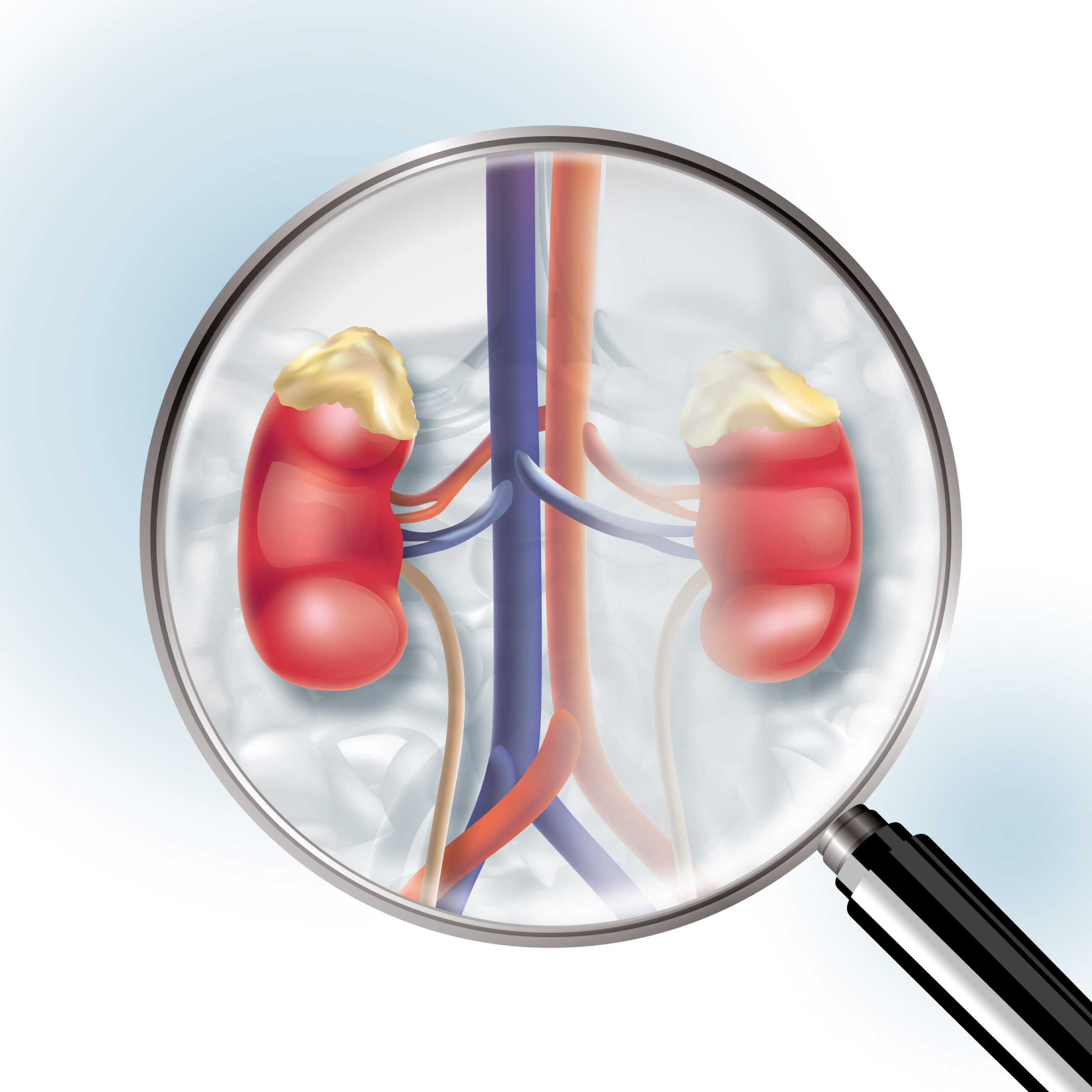
Chronic kidney disease (CKD) refers to the gradual loss of kidney function over a long period of time. The kidneys are responsible for eliminating waste and excess water from the body. Loss of kidney function causes a dangerous buildup of waste and fluid. Chronic kidney disease is most often associated with diabetes and high blood pressure and requires prompt treatment to keep life-threatening complications from developing.
Symptoms of
Chronic Kidney Disease
The symptoms of chronic kidney disease in its early stages include the following:
Weight loss.
Nausea.
Fatigue.
Loss of appetite.
Headache.

Effects of
Worsening Kidney Disease
As chronic kidney disease worsens, symptoms include the following:
Abnormal discoloration of the skin.
High blood pressure.
Shortness of breath.
Confusion.
Metallic taste in the mouth.
Weak libido.
Decreased urine output.
Numbness in the hands or feet.
Vomiting.
Sleep disorders.
Anyone experiencing these symptoms should immediately contact her or his physician to obtain an accurate diagnosis and receive treatment.
Diagnosis of
Chronic Kidney Disease
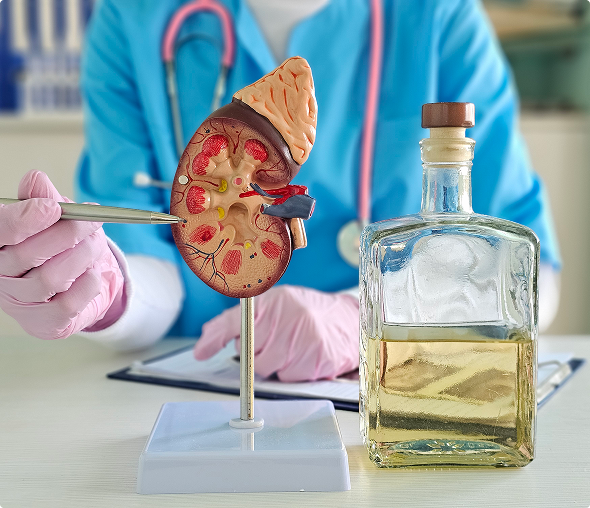
Chronic kidney disease is diagnosed by a complete review of symptoms and a physical examination by a doctor. In most cases, blood tests are then performed to measure creatinine levels; when kidneys fail, abnormally high amounts of creatinine are present in the blood. Additional tests include the following:
Urinalysis.
Bone density.
X-rays or other imaging tests.
In some cases, a kidney biopsy is performed to diagnose chronic kidney disease.

Treatment for
Chronic Kidney Disease
Treatment for chronic kidney disease aims to restore kidney function and prevent waste from building up in the body. Treatment for the underlying cause or illness may help the kidneys function properly. Because high blood pressure can worsen chronic kidney disease, medications to control blood pressure are usually prescribed. Phosphate binders and vitamin D supplements may also be prescribed, and diet modifications may be recommended.
Treating Severe Kidney Disease
Other methods of treatment include antibiotics to prevent or treat infection or dialysis, which may be temporary or ongoing depending on the patient‘s condition. In severe cases, a kidney transplant may be necessary. A patient suffering from chronic kidney disease should be under the continuous care of a physician and should be examined on a regular basis. Left untreated, chronic kidney disease can be fatal.