
Urinary Incontinence
Helping patients regain control through personalized medical care.

A Closer Look at UI
Urinary incontinence, also known as UI, is a common condition that involves the involuntary loss of urine. Although it is not usually a serious condition, UI can be embarrassing and affect a person‘s daily life. Urinary incontinence is most common in women, especially during and after pregnancy, but can affect people of all ages.
Causes of
Urinary Incontinence
Urinary incontinence is often caused by a urinary tract infection or weak muscles in the urinary tract. Some medications may cause weak bladder muscles, therefore causing urinary incontinence. Weak muscles may prevent the closing off of the urethra, and doing certain activities may cause urine to leak.
Bladder training.
Avoiding alcohol and caffeine.
Medication to control pelvic muscle spasms.
Kegel exercises.
How Urination Normally Occurs
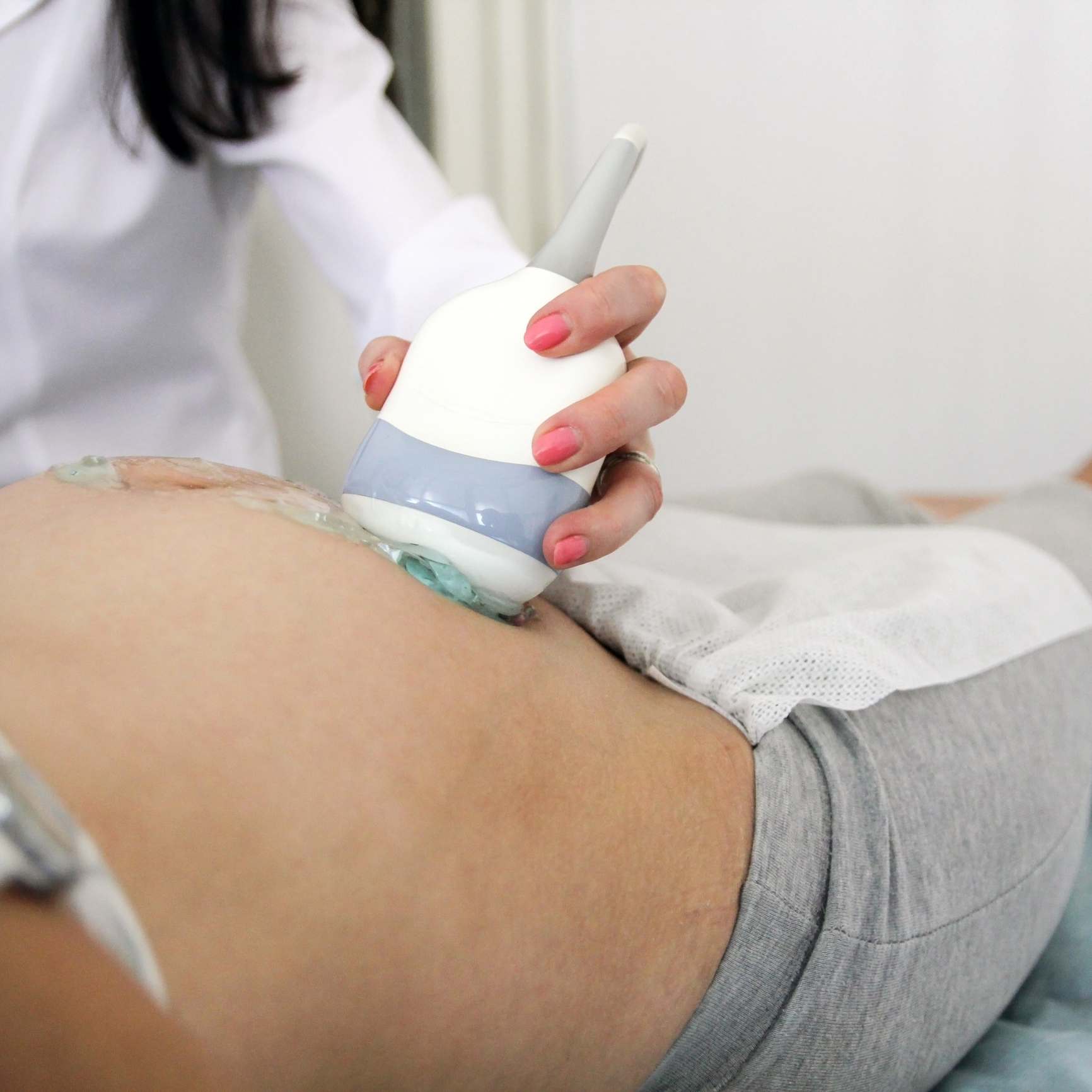
Normal urination involves emptying the bladder when the desire to urinate occurs, at which point the bladder contracts and flows out of the body. Once the bladder is empty, the muscles contract and urination stops. People with UI experience a disruption in this process that causes a loss of bladder control and results in troubling symptoms.

Symptoms of
Urinary Incontinence
In addition to leaking urine, people with UI may also experience:
Strong desire to urinate.
Pelvic pressure.
Frequent urination.
Nocturia, or the need to urinate at night while sleeping.
Painful urination.
Bedwetting.
UI is a common condition with many treatment options that can relieve symptoms and allow patients to perform their regular activities without the embarrassment and worry of urinary leakage.
Types of Urinary Incontinence
Urinary incontinence may be classified into three different types based on causes and symptoms.
Urge incontinence is the most common type of incontinence. This type of incontinence involves urine leakage that occurs after a sudden urge to urinate because the muscle wall of the bladder is overactive.

Diagnosis of
Urinary Incontinence
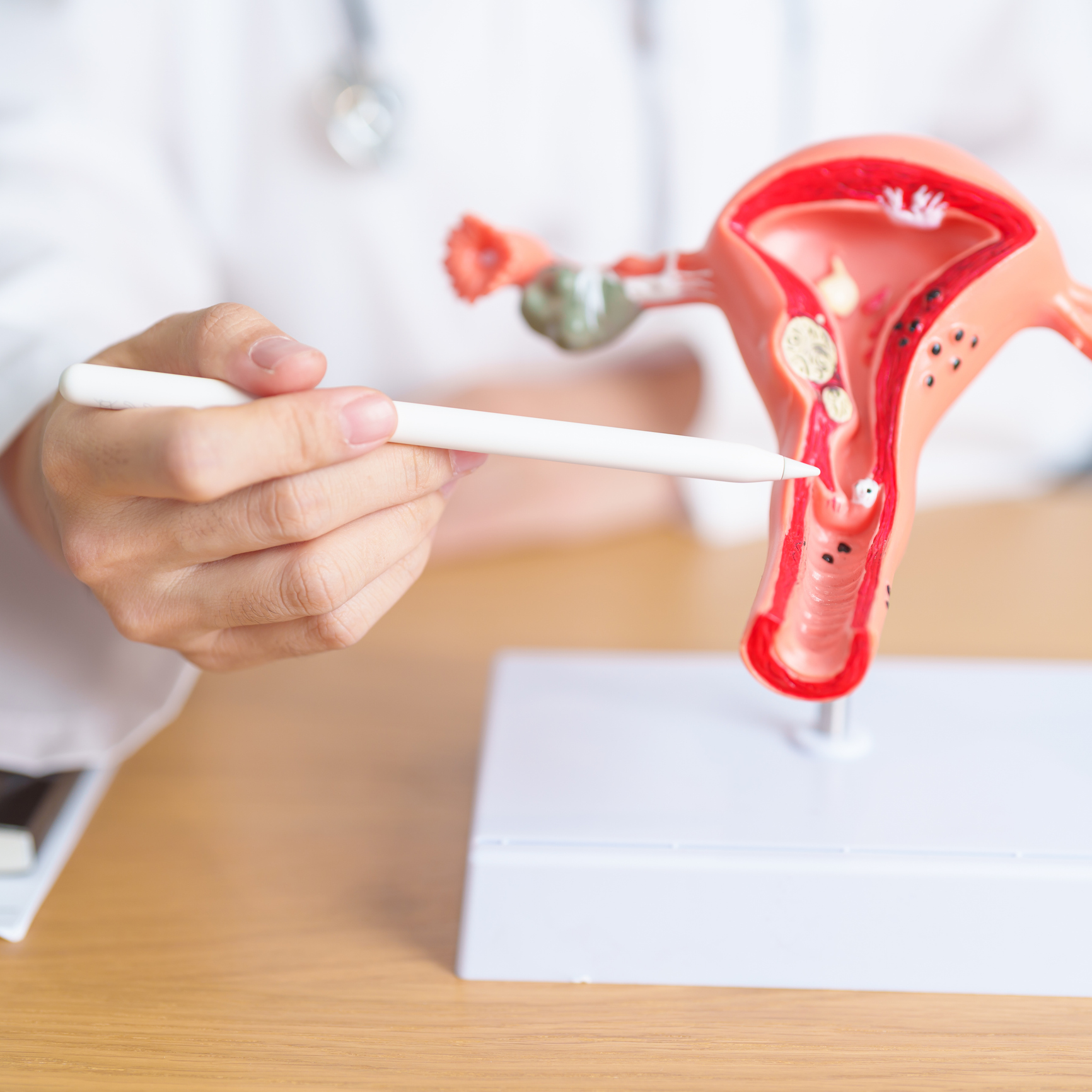
Patients exhibiting the symptoms of UI should see their doctor to determine the cause, type, and severity of their condition. Doctors can diagnose urinary incontinence through a series of tests and an evaluation of the patient‘s medical history. Patients may also be asked to keep a bladder or urination diary to record the frequency and circumstances of their urination troubles. Testing may begin with a pelvic exam to detect any physical abnormalities and may also include the following:
Blood tests.
Urinalysis.
Cystogram.
A stress test to determine if any urine leaks during physically stressful situations.
Further Testing for UI
After a diagnosis of UI, the physician may perform further testing to determine the cause of the condition in order to recommend the most appropriate treatment approach.
Treatment of
Urinary Incontinence
There are many different treatment options available for urinary incontinence, depending on the severity of the condition. Conservative treatments are often effective and may include the following:
How Urinary Incontinence Is Treated
For more severe cases, a medical device such as a urethral insert or pessary may be inserted through the vagina to prevent urine leakage. Surgery may also be recommended to provide support to the bladder neck to relieve symptoms caused by UI. However, there are certain risks associated with surgery, including infection, bladder spasms, or recurring incontinence. A doctor will determine which treatment is best for each patient after a thorough evaluation of their condition.


Prevention of
Urinary Incontinence
Not all cases of urinary incontinence can be prevented; however, the following recommendations may help in controlling urinary incontinence in some people:
Drinking fewer fluids.
Emptying the bladder regularly.
Avoiding caffeinated beverages.
Kegel exercises may also be effective at strengthening the muscles of the pelvic floor, which can help to prevent incontinence.