
Interstitial Cystitis
Personalized treatment plans for long-term bladder health relief.
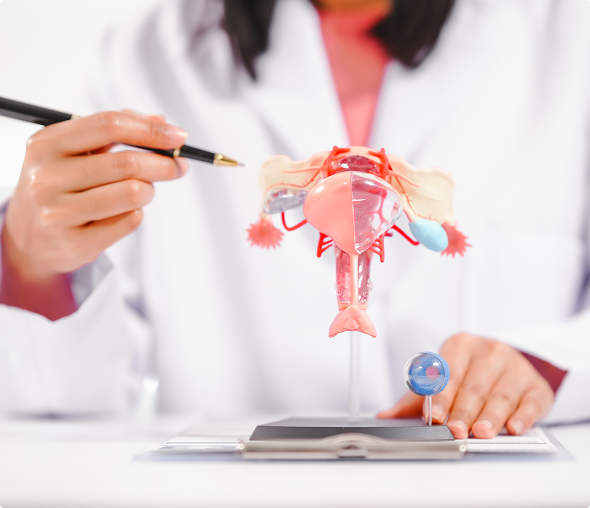
Bladder Inflammation and Pain Overview
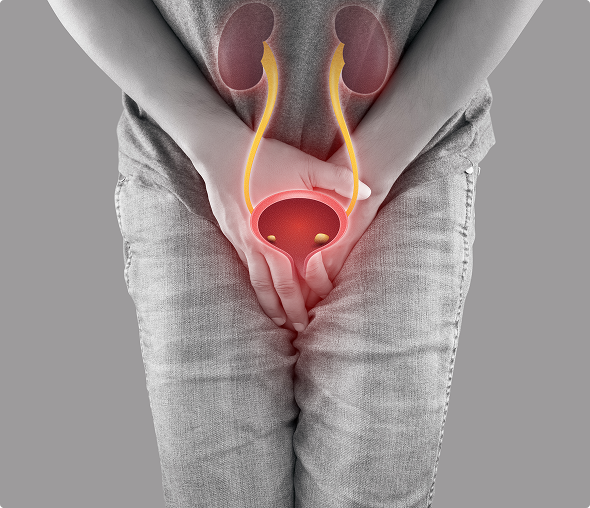
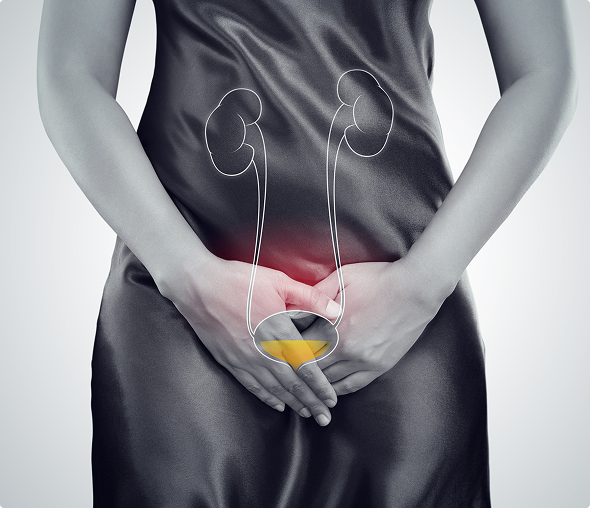
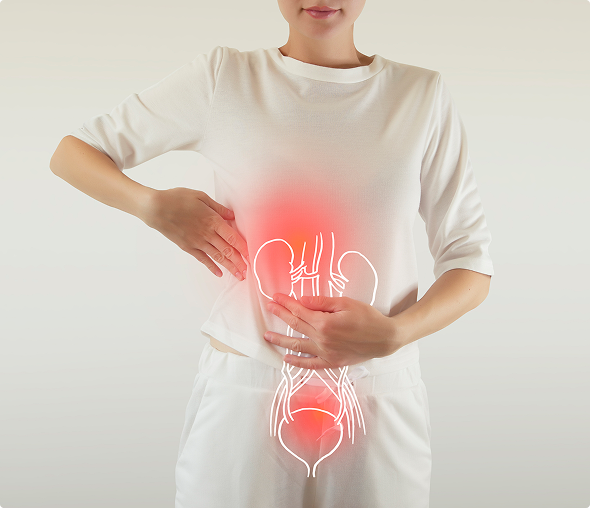
Interstitial cystitis is a chronic inflammation or irritation of the bladder and the surrounding pelvic area. People who are diagnosed with interstitial cystitis may experience mild discomfort, pressure, tenderness, or intense pain in the bladder and pelvic area. Also known as painful bladder syndrome, interstitial cystitis most commonly affects women.
Symptoms of
Interstitial Cystitis
Symptoms of interstitial cystitis may vary and can flare up irregularly. Symptoms may be mild or severe and may include:
Chronic pelvic pain.
Frequent urination.
Strong urge to urinate.
Incontinence.
Discomfort while urinating.
Pain during sexual intercourse.
Over time, interstitial cystitis can also cause stiffening and scarring of the bladder and a reduction in the amount of urine the bladder can hold.
Causes of Interstitial Cystitis
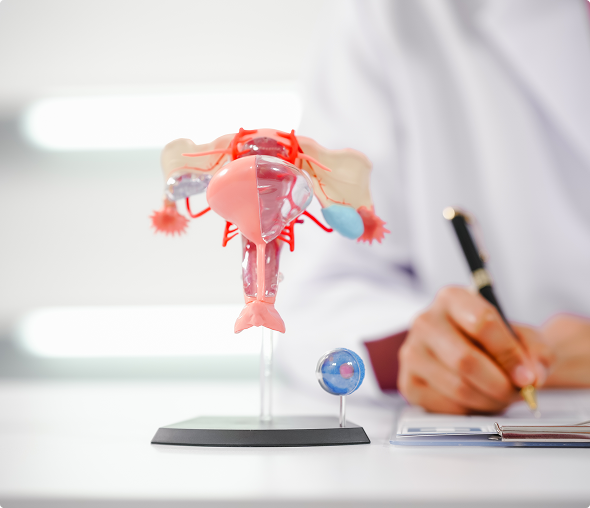
The cause of interstitial cystitis is unclear, but some theories suggest that it may be a result of:
A defect in the bladder.
An autoimmune condition where the body‘s immune system attacks the bladder.
A substance in the urine that damages the bladder.
Some researchers believe that interstitial cystitis may be caused by infection or allergies or that it may be a hereditary condition.
Diagnosis of
Interstitial Cystitis
Since the symptoms of interstitial cystitis are similar to those of a urinary tract infection, it is frequently misdiagnosed. A correct diagnosis is typically made by ruling out other conditions such as sexually transmitted diseases, bladder infections, and bladder cancer. Tests may include:
Urinalysis.
Urine cytology.
Cystoscopy.
A bladder biopsy may also be performed so that the bladder tissue can be analyzed.
Treatment of
Interstitial Cystitis
Because the cause of interstitial cystitis is not clear, no specific treatment option works for all patients. Treatment may vary depending on the symptoms as well as the doctor‘s and patient‘s preferences. Options may include:
Oral medication.
Medication is instilled directly into the bladder.
Bladder training.
Diet modification – Avoiding food that may make symptoms worse.
Surgery.
Ongoing Care for Interstitial Cystitis
There is no cure for interstitial cystitis, but after treatment, many patients report that their symptoms are greatly reduced. Symptoms may recur, so it is important to be in contact with a doctor if diagnosed with this condition.