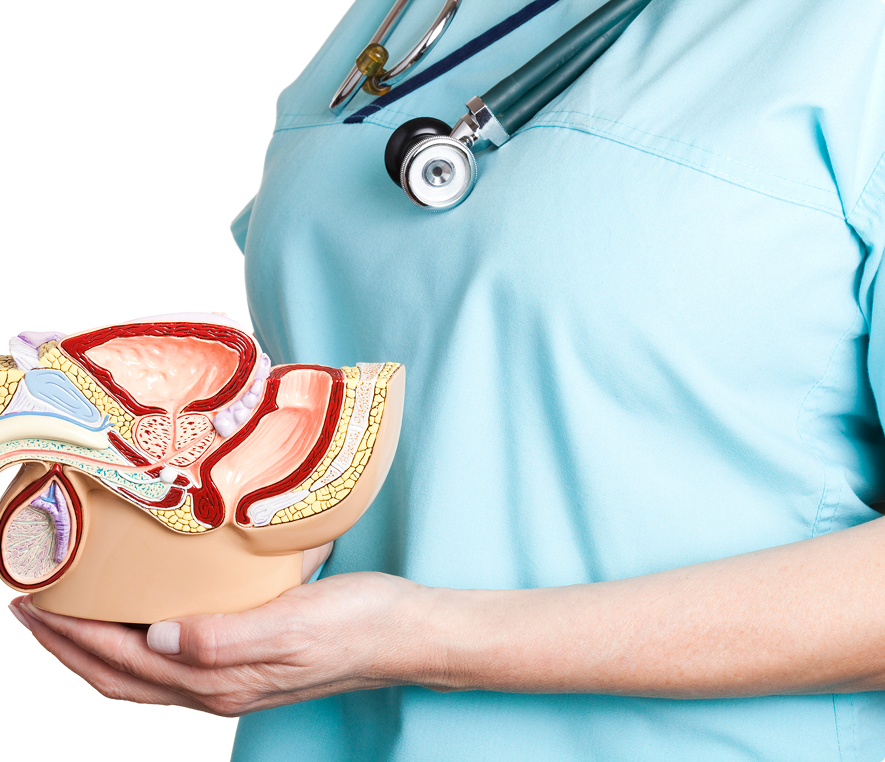
Peyronie’s Disease
Expert care to address curvature, pain, and restore function.
When Penile
Curvature Occurs
Peyronie‘s disease is characterized by the formation of a rigid, fibrous plaque under the skin of the penis, potentially altering the shape and firmness of an erection. This condition can have physical and psychological effects and lead to complications, including painful erections and impotence. Peyronie‘s disease may occur at any age, but most frequently in men over the age of 40. Although uncommon, it is possible for younger men to develop the disease.
Cause of Peyronie‘s Disease
The origin of Peyronie‘s disease is not fully understood, but it may be a result of the following:
Traumatic injury to the penis.
Side effects of certain medications, such as beta-blockers.
Family history.
In some cases, Peyronie‘s disease may not be linked to an injury but may be inherited or related to an underlying condition.
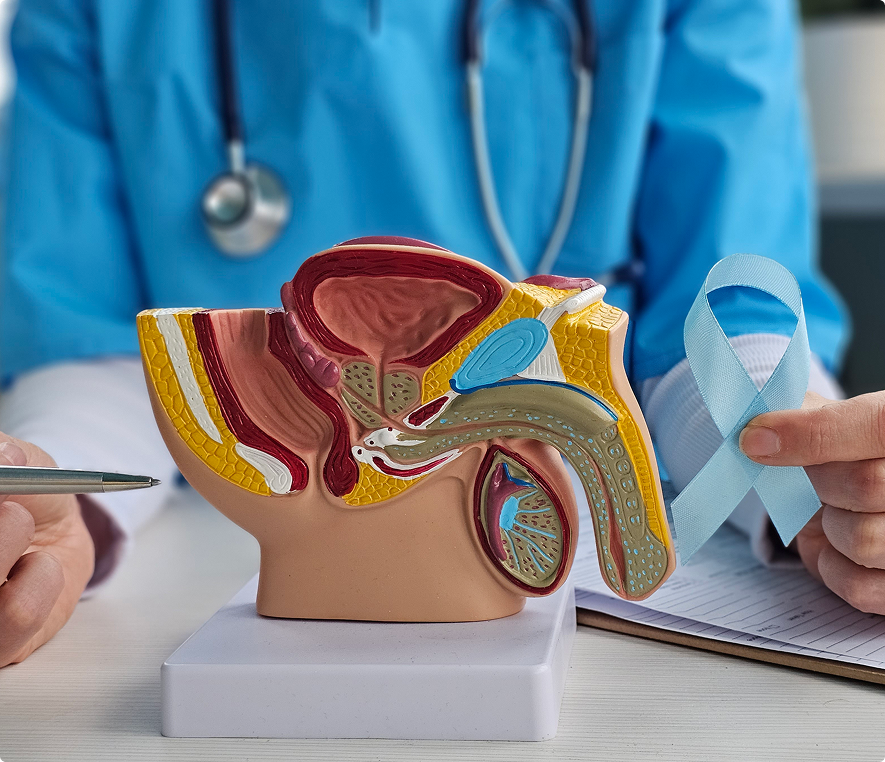

Symptoms of
Peyronie‘s Disease
The predominant symptom of Peyronie‘s disease is the hard scar tissue that forms on the penile shaft. This can sometimes cause the penis to curve while erect. It is also possible for the disease to display itself as divots or clefts in the skin of the penis. Other symptoms may include:
Erectile dysfunction.
Painful erections.
Impotence.
It is important to note that while these hardened lesions may be unsightly growths, they are not cancerous.
Diagnosis of
Peyronie‘s Disease
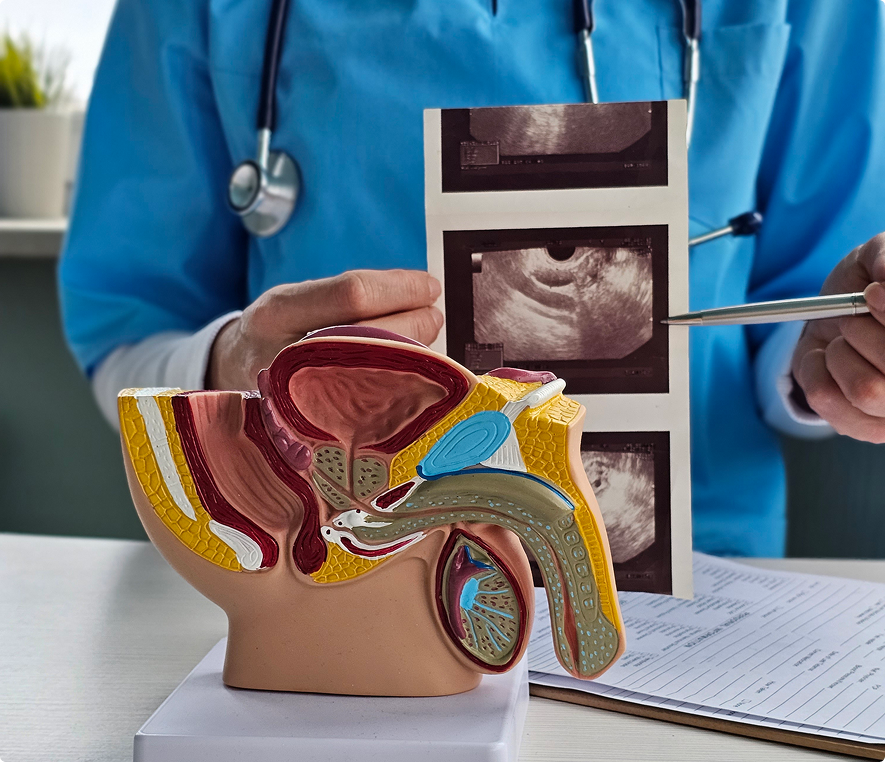
Peyronie‘s disease is usually diagnosed during a physical examination by a doctor. The hard plaque can usually be felt with or without an erection. The following tests may also be used to properly diagnose the condition:
Ultrasound.
MRI
Diagnostic tests may be used to analyze the plaque and check for the presence of calcification.
Treatment of
Peyronie‘s Disease
Treatment for Peyronie‘s disease may vary. In some cases, doctors may have patients monitor their condition before any treatment is recommended. Other types of treatment may include:
Xiaflex
Traction therapy or surgery
Surgical Treatment for Peyronie’s Disease
In severe cases where other treatment options may not be effective, surgery may be recommended. The most common surgeries used to treat Peyronie‘s disease are plaque removal (plaque is removed from within the penis and is followed by placement of a graft or tissue patch), tissue removal (internal tissue from the penis is removed from the side of the penis opposite the plaque, which can counter the bending effect of the disease), and prosthetic device insertion (penile prosthetic devices may be inserted to straighten the penis and correct its rigidity). While most surgeries are effective, many doctors reserve this option for patients experiencing severe erectile dysfunction.