
Low Testosterone
Comprehensive support for improving men’s health and energy levels.
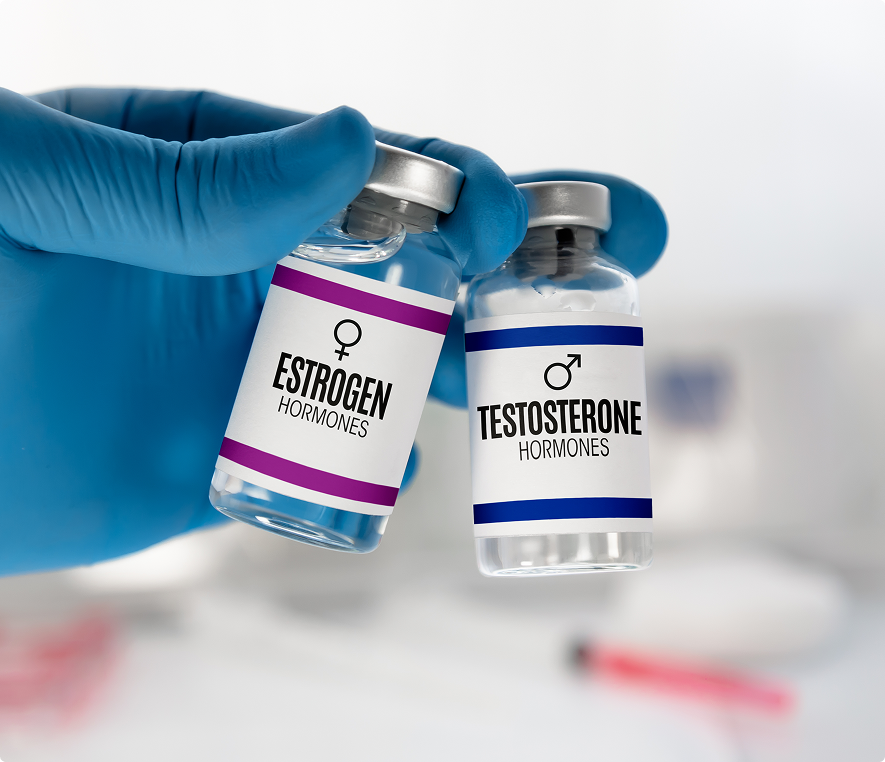
The Function of Testosterone
Testosterone is a sex hormone naturally produced within the body. In men, this hormone helps to maintain sperm production, control sex drive, and regulate muscle mass and bone health. The pituitary gland and the brain control the production of testosterone, which is secreted through the testicles.
Why Testosterone
Levels Decline
Low testosterone, a form of hypogonadism, occurs when the body fails to produce an adequate supply of this hormone. This condition is more prevalent as men age, occurring in about 20 percent of men over 60 years of age and increasing to as much as 50 percent in men over 80 years of age. While testosterone is thought of as the male hormone, it is necessary for female functioning as well, and women may also suffer from low testosterone.
Symptoms of
Low Testosterone
Symptoms of low testosterone in men may include increased body fat, enlarged breasts, reduced muscle mass, diminished bone density, and decreased energy. Sexual symptoms may include:
Low libido (sex drive).
Inability to reach orgasm.
Erectile dysfunction.
Low sperm count.
Diminished volume of seminal fluid.
Smaller or softer testicles.
Men with low testosterone may also experience sadness, irritability, or depression.
Causes of Low Testosterone
The causes of low testosterone in men can vary and may include:
Injury or infection of the testicles.
Treatment for testicular cancer.
Hormonal disorders.
Infections or chronic diseases.
Nutritional deficiencies.
Andropause (male menopause) due to natural aging.
When Testosterone Levels Are Reduced
Some medications and certain genetic conditions can also lower a man‘s testosterone reading. Men who are hypertensive or obese or who have elevated cholesterol levels may also suffer from low testosterone levels.
Diagnosis of Low Testosterone
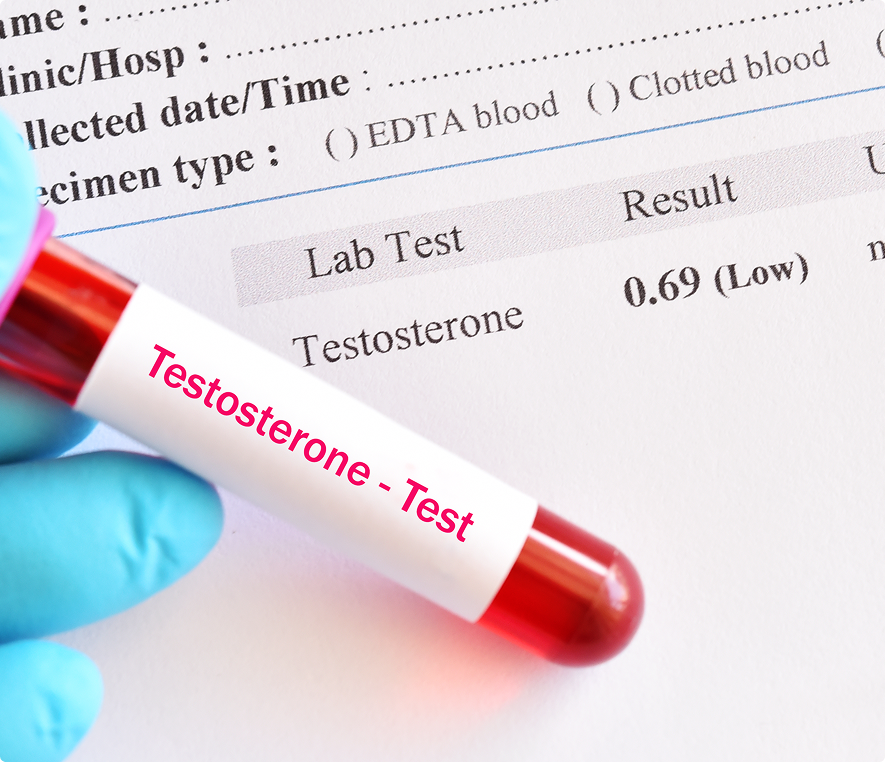
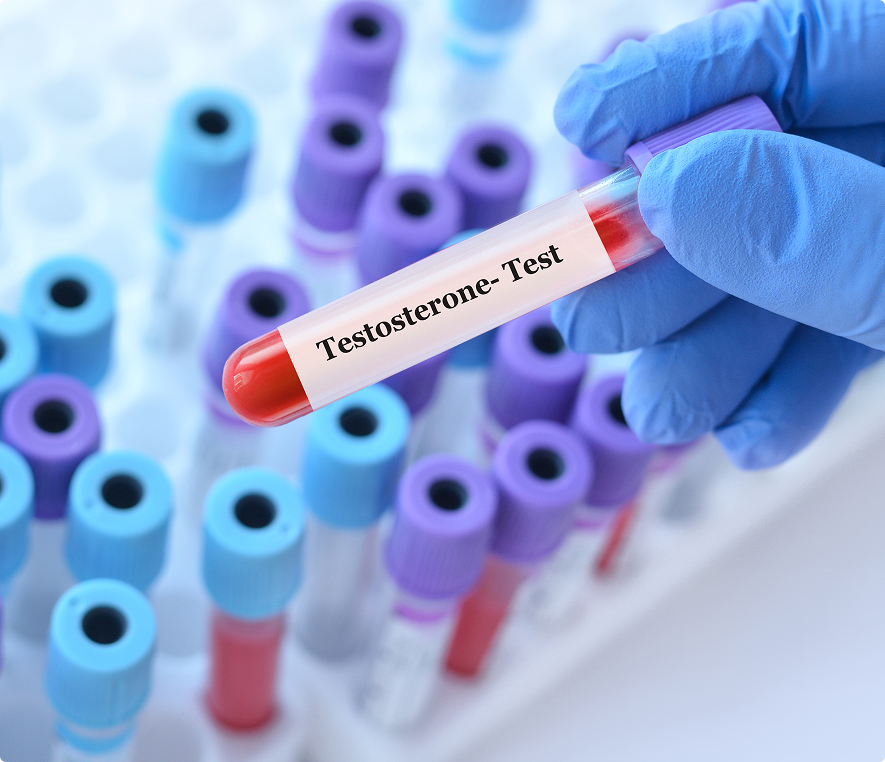
To diagnose low testosterone, the doctor will perform a physical examination and review all of the patient‘s symptoms. Testosterone levels are measured with a blood test, but other diagnostic tests may be administered as well, including the hematocrit, which measures the red blood cell count. This is taken because testosterone treatment can result in an increase in red blood cells.
Urinalysis.
Sperm count.
PSA test for prostate cancer.
Hematocrit.
Complications of
Low Testosterone
In addition to negatively affecting quality of life and intimate relationships, low testosterone can be a factor in several disease conditions. Recent research suggests that men with low testosterone are at increased risk of developing diabetes, osteoporosis, and cardiovascular disease.
Treatment of
Low Testosterone
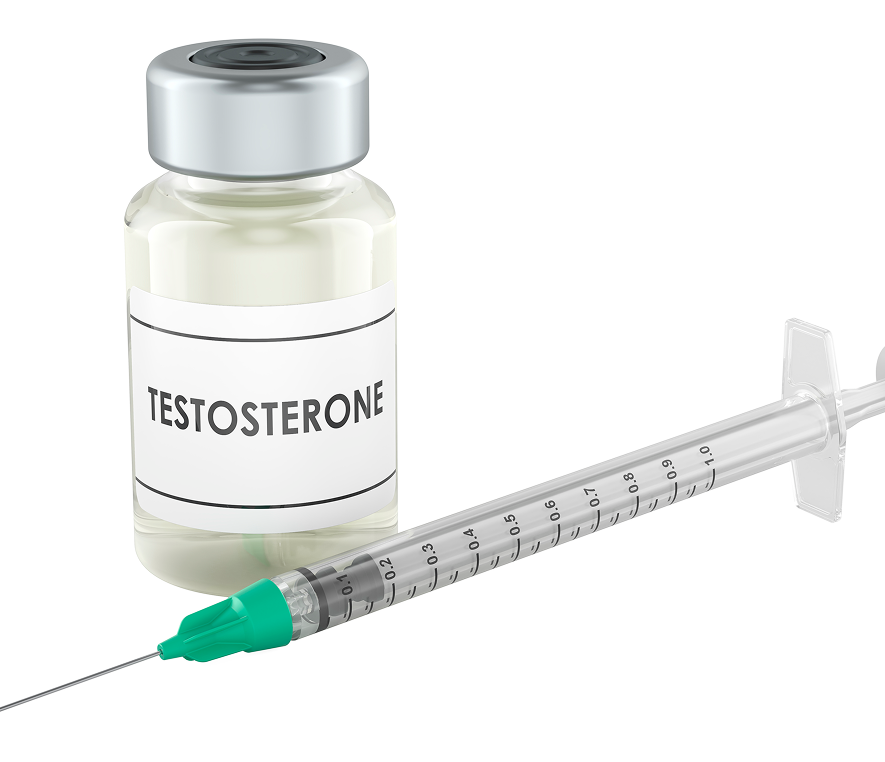
Treatments for low testosterone involve replacing the hormone in the body. Often referred to as testosterone replacement therapy, these methods include administering the hormone through:
Gel, cream, or patches applied to the skin.
Injections.
Subcutaneous pellets.
Oral inserts (sublingual or buccal).