
Bladder Cancer
Personalized care from diagnosis through treatment and recovery.
When Cancer
Affects the Bladder
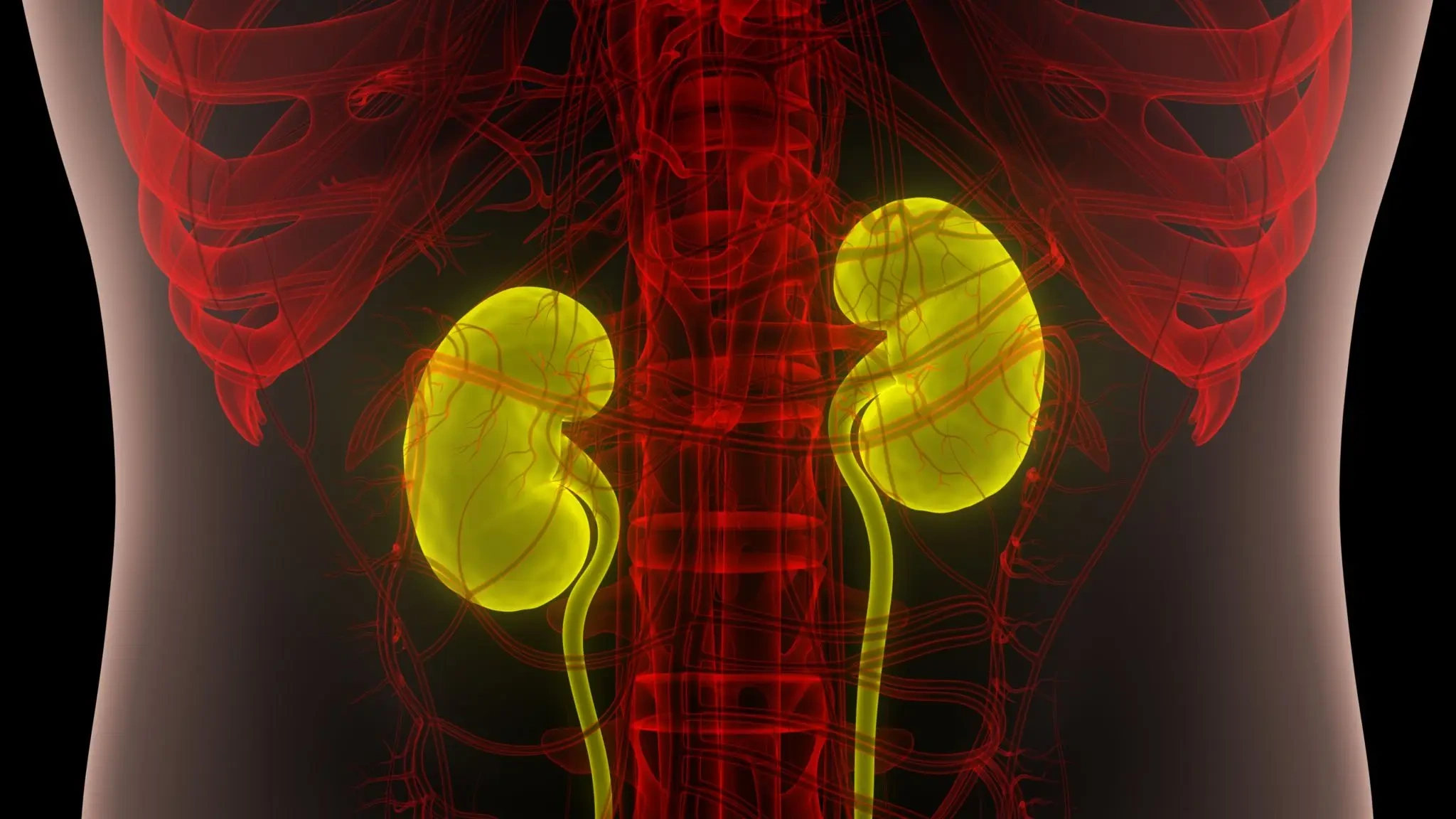
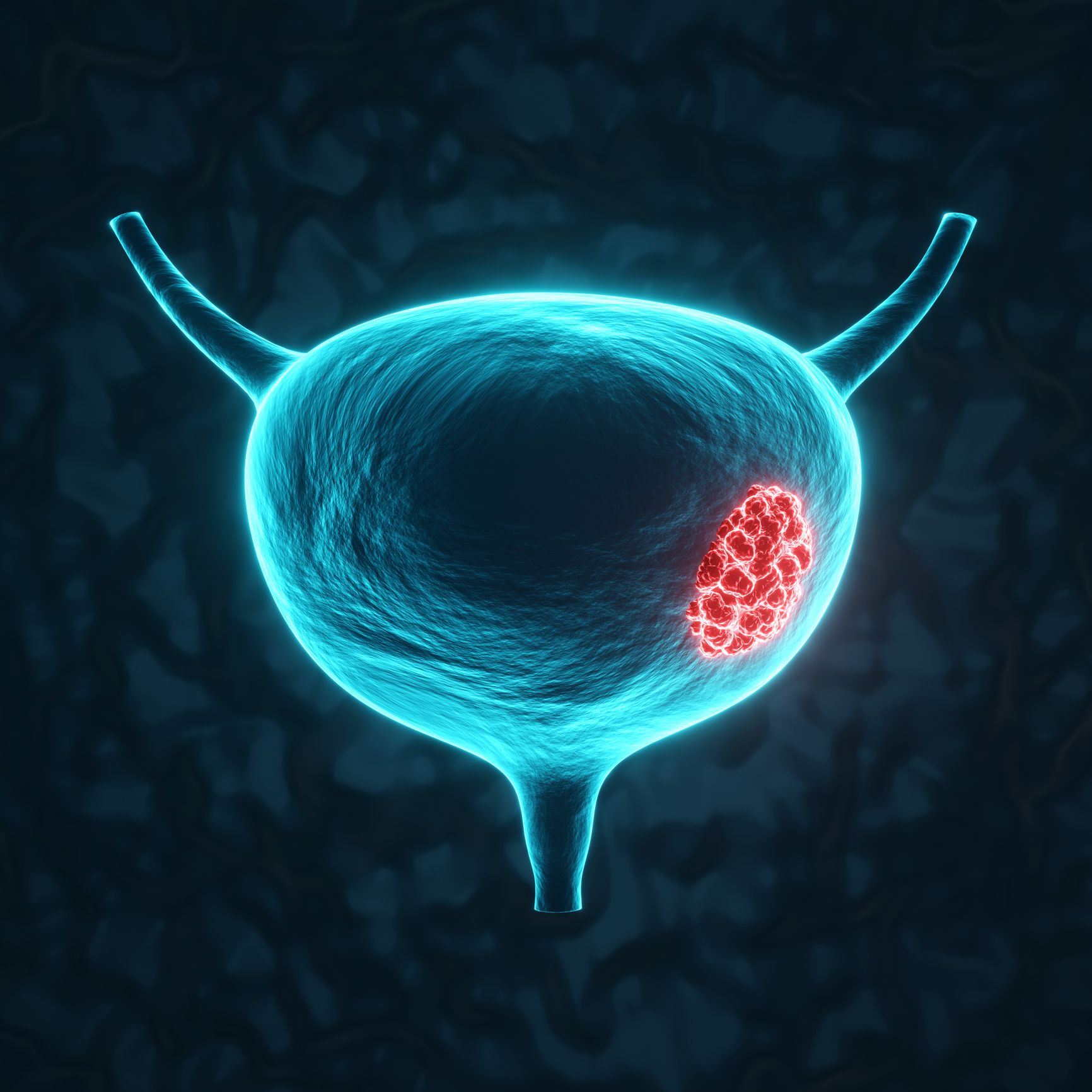
Bladder cancer is a disease that affects the bladder, the organ that stores urine. The most common type of cancer develops in the cells on the inner lining of the bladder wall. If the cancer spreads through the lining, it is considered an invasive cancer. The majority of cases of bladder cancer are diagnosed at an early stage when they are highly treatable.
Types of Bladder Cancer
Bladder cancers, which are named for the kinds of cells that the tumors grow in, mainly fall into one of the following three categories.
Transitional-cell carcinoma begins in cells that make up the inner lining of the bladder. It is the most common type of bladder cancer.
Risk Factors for
Bladder Cancer
The exact cause of bladder cancer is unknown, but there are risk factors associated with its onset. They include the following:
Smoking.
Increase in age.
Being male.
Family history of cancer.
Being Caucasian.
Exposure to carcinogens or cancer-causing substances.
Previous cancer treatments with cyclophosphamide.
Previous radiation treatments in the pelvic area.
Symptoms of Bladder Cancer
Symptoms of bladder cancer are similar to those of most urological conditions and include frequent and/or painful urination, blood in the urine, and pain in the back and/or pelvis.
Diagnosis of Bladder Cancer
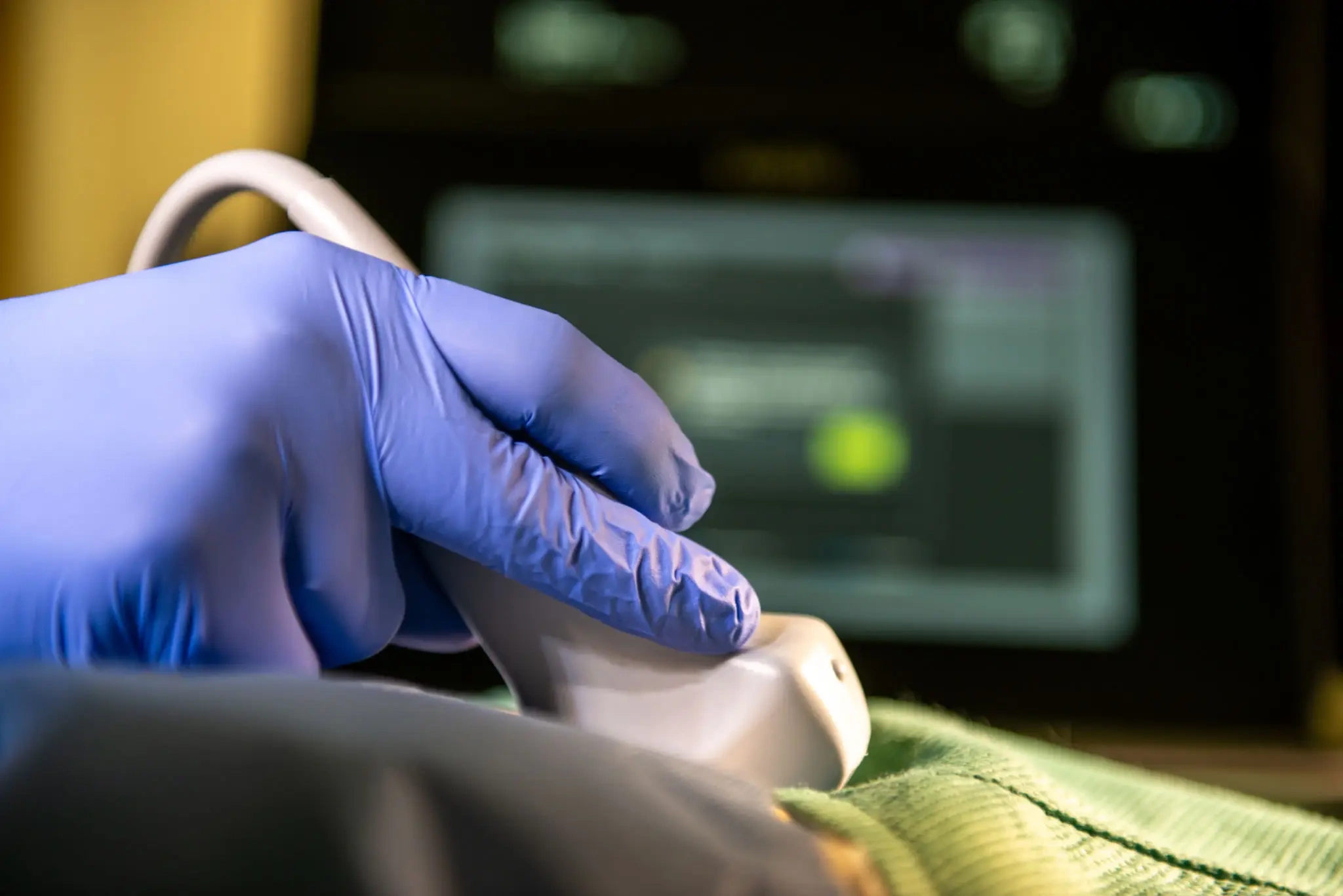
To diagnose bladder cancer, a physician performs a physical examination, which includes checking the abdomen and pelvic areas for any abnormalities. It may also include a vaginal or rectal exam. After the physical exam, one or more of the following tests may be ordered:
Urine test.
Cystoscopy.
Biopsy.
PET scan.
Stages of Bladder Cancer
Once bladder cancer is diagnosed, a determination of its stage will be made. There are four stages: Stage I, in which cancer has invaded the bladder‘s inner lining but not the muscle lining; Stage II, in which cancer has invaded the muscle layer but is still confined to the bladder; Stage III, in which cancer cells have spread through the bladder wall to surrounding tissue; and Stage IV, in which cancer has spread to the lymph nodes and, possibly, other organs.
Treatment of Bladder Cancer
Treatment options for bladder cancer vary based on the stage of the cancer, the patient‘s overall health, and, in some cases, the patient‘s preference. Options include the following:
Bladder cancer surgery involves the removal of the cancerous tissue. Tumors may be surgically removed from the bladder in early-stage bladder cancer. If the cancer is far advanced, some or all of the bladder may be removed.
Prevention of Bladder Cancer
Although there is no way to prevent it, the risk of getting bladder cancer may be reduced by quitting smoking, eating a healthy diet, minimizing exposure to certain chemicals, and drinking plenty of water to stay hydrated and flush the bladder throughout the day.