
Benign Prostatic Hyperplasia
Clear guidance on diagnosis and modern treatment approaches for relief.
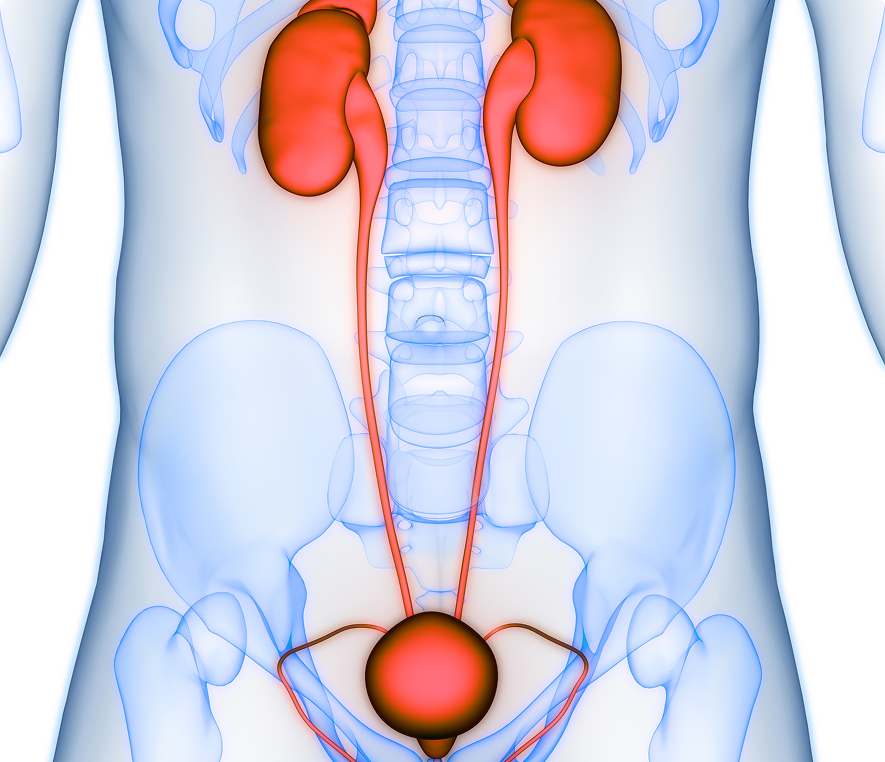
Understanding Benign Prostatic Hyperplasia (BPH)
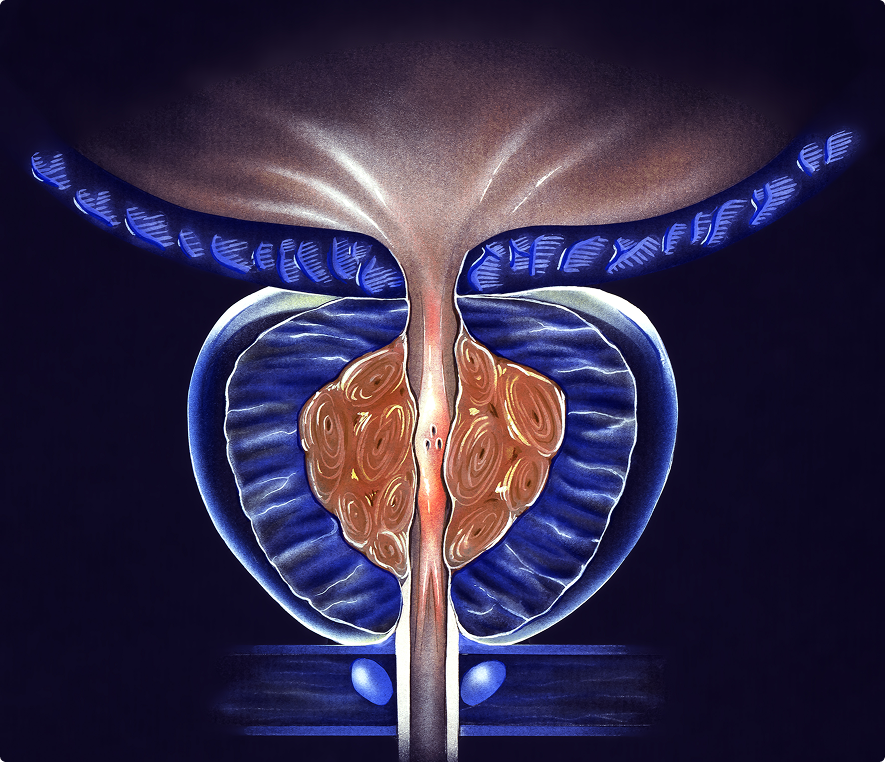
Benign prostatic hyperplasia, also known as BPH, is an enlarged prostate that commonly causes urinary problems in men aged 50 and older. It is a common condition that occurs as men age, causing the gland to press against the urethra and cause problems with urination. BPH may also be due to an excess of certain hormones in the body.
Symptoms of
Benign Prostatic Hyperplasia
More than 50 percent of men aged 50 and older are affected by benign prostatic hyperplasia. While the exact cause is unknown, as the prostate expands, more and more urinary symptoms develop. Men with this condition may experience:
Difficulty starting to urinate.
Inability to completely empty the bladder when urinating.
Slowed urine stream.
Frequent urination.
Sudden urge to urinate.
As symptoms progress, patients may also develop bladder stones, blood in the urine, or a bladder infection. This condition will continue to worsen if left untreated.

Diagnosis of
Benign Prostatic Hyperplasia
BPH is diagnosed through a physical examination by a doctor, which may also include the following tests:
Digital rectal exam.
Urinalysis.
Prostate-specific antigen test, or PSA.
Cystoscopy.
A series of urodynamic tests may also be performed to investigate any urinary problems that may be caused by BPH.
Treatment of
Benign Prostatic Hyperplasia
Treatment for benign prostatic hyperplasia can vary depending on the severity of the condition. Patients with mild symptoms may only need to monitor their condition for signs that it is worsening, while more severe cases may require medication to inhibit hormone production or relax the muscle in the prostate. Two common types of medication for an enlarged prostate are:
Alpha blockers.
5-alpha reductase inhibitors.

When Surgery
Becomes Necessary
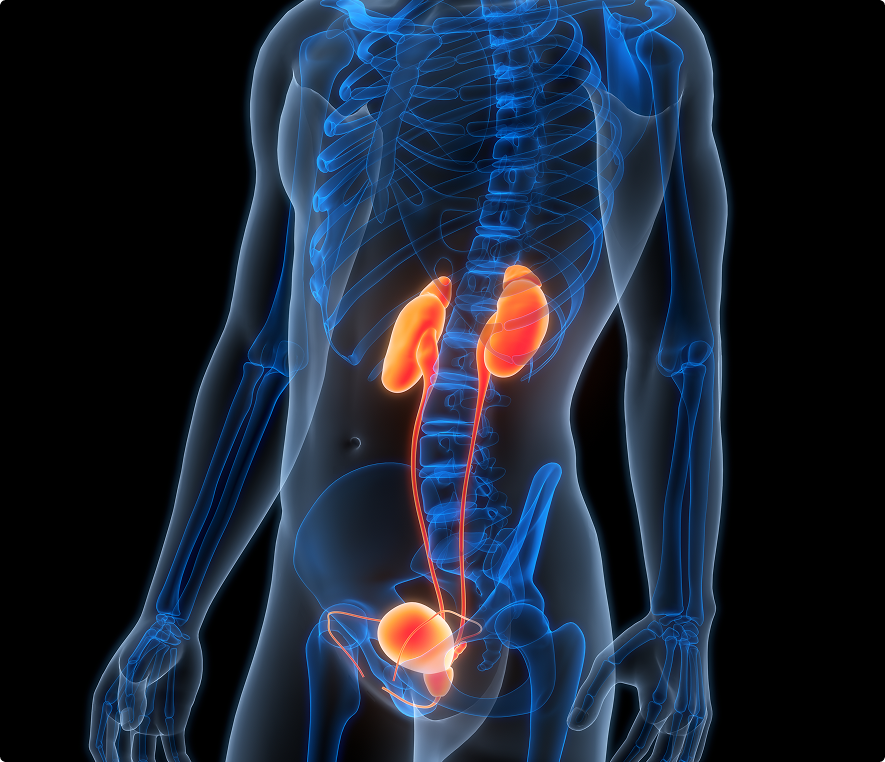
In some cases, surgery may be required to remove the prostate tissue that is blocking the flow of urine. There are several surgical procedures available for treating benign prostatic hyperplasia, including:
Transurethral resection of the prostate.
Transurethral vaporization of the prostate.
Open surgery.
Long-Term Relief
After BPH Surgery
Surgery for BPH usually provides effective results for at least 15 years. Patients should continue to have rectal and prostate exams once a year and should see their doctor at the first sign of recurring symptoms. There is a wide range of treatment options available for an enlarged prostate, and if treated promptly and effectively, patients can live relatively normal lives.